
Design & Expert Advice
Biophilic Design for Small Businesses: What It Costs and What It Returns
How plant design changes the way customers and staff experience a space — with realistic budgets for studios, cafes, gyms, and small offices.
Moss, Plant Designer7 min read
#biophilic design#commercial plants#design budget
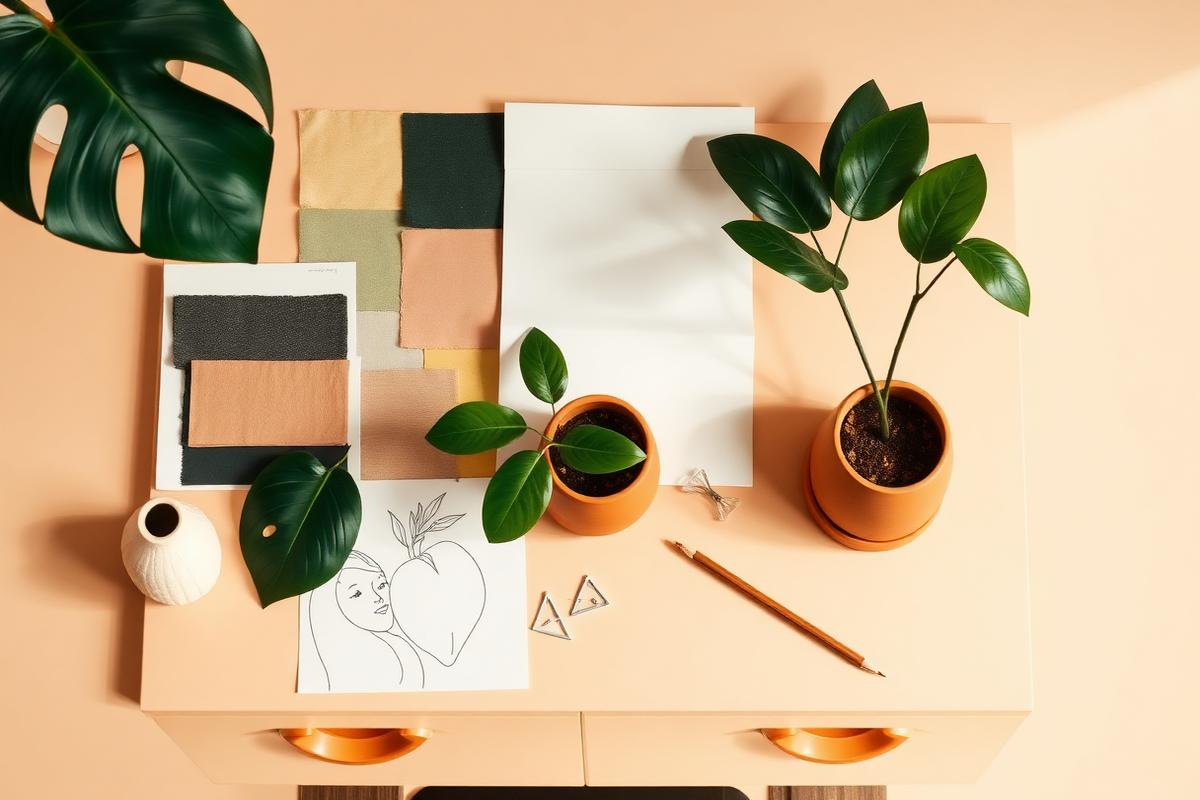
Biophilic design brings natural elements into built spaces — greenery, natural materials, daylight, organic shapes. For a small business, it's one of the few upgrades that changes how a room feels on day one without construction.
What it actually does
- Softens hard rooms and absorbs echo in concrete-and-glass interiors.
- Creates zones without walls — a planter cluster defines a waiting area.
- Signals care; customers read a well-kept plant wall as attention to detail.
- Improves the daily experience for the people who work there.
Where to spend and where to save
- Spend on one or two large statement specimens in main sightlines — scale reads as premium.
- Spend on planters; a cheap plastic pot undoes an expensive plant.
- Save on filler greenery in secondary corners.
- Save on seasonal color — rotate it rather than installing it permanently.
One well-placed six-foot specimen does more for a room than a dozen small pots scattered across it.
Frequently asked
- Is biophilic design worth it for a small business?
- For customer-facing spaces, yes. Plants are one of the lowest-cost ways to change how a room reads without renovation, and they can be phased in over time.
- How much does interior plant design cost?
- It depends on plant count, specimen size, and planter quality. A focused refresh of a small space typically starts in the low four figures, with maintenance billed per visit.
Book a discovery call
Show me your space.
I'll tell you what's possible and what will actually thrive in it.