Orchid Care 101: Why Everyone Kills Them and How to Not
Phalaeonopsis orchids fail for three predictable reasons. Learn the ice-cube myth, correct potting medium, and the rebloom trigger that actually works.
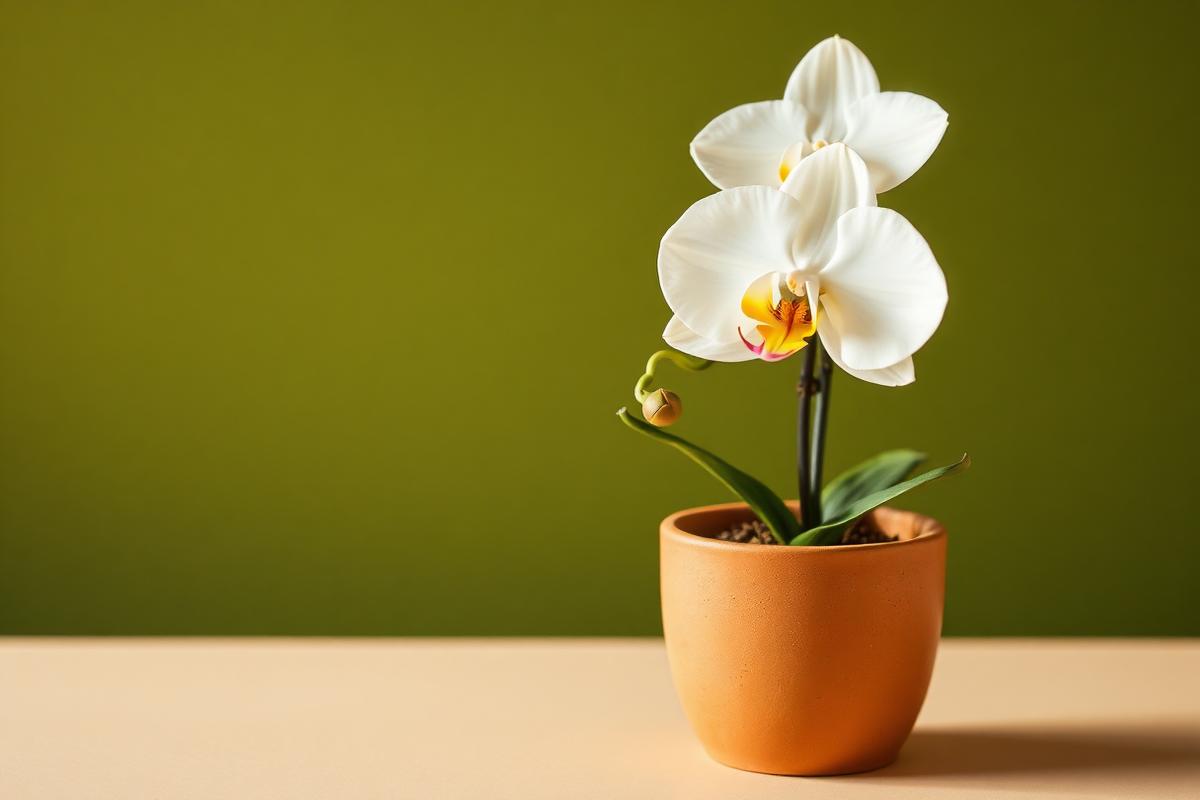
The grocery-store orchid is treated like a bouquet: beautiful for six weeks, then discarded. It doesn't have to be. Phalaenopsis are long-lived plants that will rebloom yearly once you stop caring for them like a houseplant.
They are not soil plants
In the wild, phalaenopsis grow on tree bark with roots exposed to air. Potting soil suffocates them. They belong in coarse bark or sphagnum in a pot with generous drainage — ideally a clear one, so you can see root color.
Reading the roots
- Silvery green — thirsty, time to water.
- Bright green — well hydrated, leave it alone.
- Brown and mushy — rot, trim it out now.
- Wandering into the air — completely normal, don't bury them.
Triggering a rebloom
After the last flower drops, cut the spike back above a lower node and give the plant a stretch of cooler nights — around ten degrees below daytime temperature for a few weeks. That temperature drop is the signal a new spike needs.
An orchid that won't rebloom is almost always an orchid that never got a cool night.
Frequently asked
- Should I water my orchid with ice cubes?
- No. Ice water shocks tropical roots. Run tepid water through the bark medium at the sink once a week and let it drain fully instead.
- How do I get my orchid to rebloom?
- Trim the spent spike above a lower node and give the plant several weeks of cooler nighttime temperatures, roughly ten degrees below daytime, to trigger a new flower spike.
Book a discovery call
Show me your space.
I'll tell you what's possible and what will actually thrive in it.